El panorama médico está cambiando rápidamente en todo el mundo, especialmente en Estados Unidos. El sector de la salud necesita más enfermeros bilingües para dar cabida a una parte considerable de la población que no habla inglés. Estos enfermeros titulados términos médicos para los pacientes y explican procedimientos médicos difíciles. Sin embargo, las enfermeras no están aptas para avanzados traducción de terminología médica, lo que requiere la experiencia de traductores experimentados.
Cuando se trata de traducción de historial médico, el sector de la salud debe emplear los servicios de profesionales cualificados y certificados. Esta tarea puede ser llevada a cabo adecuadamente por un lingüista con especialización en traducción médica. Por ejemplo, los pacientes a menudo necesitan estos documentos traducidos:
- Formularios de consentimiento
- Etiquetas de recetas médicas
- Documentos de ensayos clínicos
- Cuestionarios de antecedentes familiares
- Exoneraciones de responsabilidad financiera
- Derechos y responsabilidades del paciente
- Instrucciones para el paciente en procedimientos médicos
En este artículo, aprenderá por qué es importante traducir documentos médicos, cuáles son las mejores prácticas para la traducción en el ámbito de la salud y exactamente cómo los lingüistas hacen su magia con los historiales médicos.
¿Por qué es importante traducir documentos médicos?
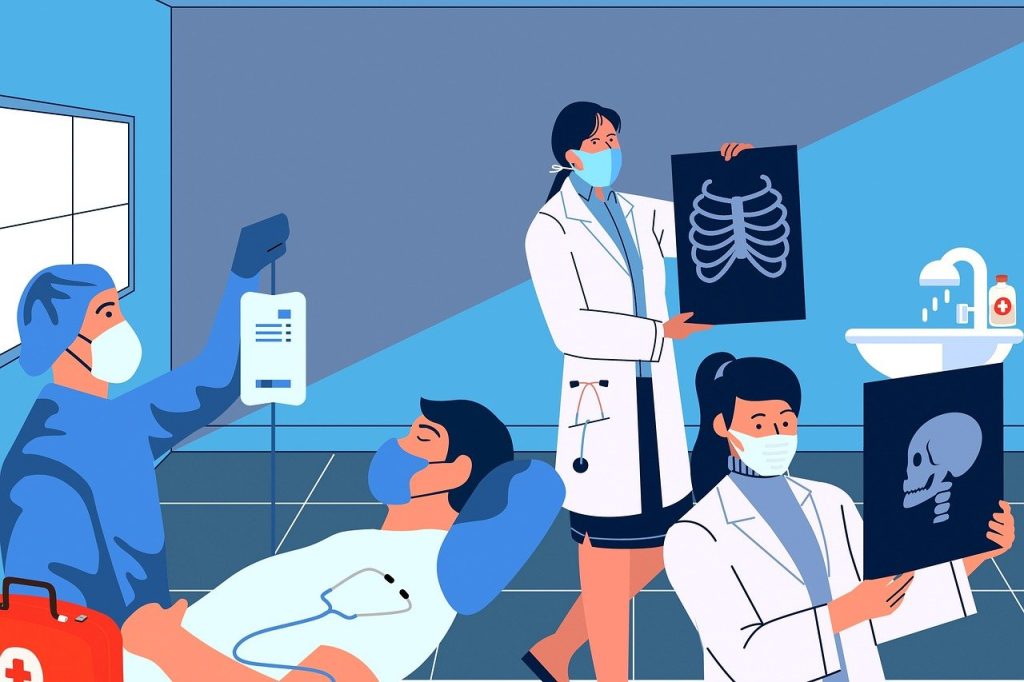
¿Sabes que alrededor de 25 millones de ciudadanos estadounidenses no hablan inglés? Un número aún mayor no tiene Lengua franca como su lengua materna. Además, millones de extranjeros visitan EE. UU., la UE y otras regiones para turismo médico. La industria del turismo médico está creciendo de 15% a 25% todos los años.
Te sorprendería saber que Tailandia encabeza esta lista como el principal destino de todos los turistas médicos por sus económicas instalaciones sanitarias. Teniendo en cuenta estas estadísticas, puedes imaginar por qué todos estos turistas confían en la traducción de documentos médicos fáctica y precisa.
- Ahorra tiempo al paciente y el personal no tiene que retrasar la atención médica debido a problemas de traducción.
- Los documentos traducidos con precisión reducen los errores médicos. Los pacientes que no hablan inglés no serán mal diagnosticados debido a información errónea.
- Traducir las etiquetas de los medicamentos es una excelente manera de evitar riesgos legales al garantizar que las advertencias y precauciones adecuadas sean legibles para pacientes de todos los origenes.
- Un traductor no preparado puede pasar por alto detalles importantes, lo que lleva a la desconfianza en la investigación médica. Los traductores experimentados evitan la pérdida de fondos al restaurar la confianza de las partes interesadas en la ciencia médica.
- Los errores médicos son responsables de más de 250.000 muertes anuales solo en los EE. UU. Una traducción precisa eliminará este problema y permitirá a los profesionales de la salud brindar a los clientes servicios médicos eficaces y confiables.

A continuación, aprenderá algunas razones por las que nunca está bien traducir un expediente médico por su cuenta. Es posible que termine traduciéndolo mal al usar Google, ChatGPT o servicios gratuitos de traducción de documentos.
Errores comunes en la traducción de documentos médicos
La ciencia de traducción médica es muy delicado, e incluso errores menores pueden causar una disminución significativa en la calidad del trabajo traducido. Imagínate que has contratado un servicio para traducción de certificado de nacimiento, y luego el traductor termina cometiendo un error ortográfico en el nombre de la madre.
Estos errores pueden parecer insignificantes al principio, pero causan grandes dolores de cabeza a las partes implicadas. He aquí un desglose de algunos de los errores más comunes en la redacción médica:
- Usar la terminología incorrecta, por ejemplo, usando la palabra derrame cerebral en el lugar equivocado
- Errores de gramática o sintaxis, por ejemplo, un punto, coma o punto y coma mal ubicado
- Inconsistencia, como llamar al mismo medicamento por diferentes nombres
- Errores de formato, como usar el color o tamaño de fuente incorrectos
- Ignorar las normas culturales al traducir un documento
Trabajar con traductores profesionales es la única forma to avoid these errors.

Buenas prácticas de traducción médica
Willie Ramirez was an 18-year-old US citizen of Spanish citizen when he was admitted to a hospital in South Florida in 1980. He had fallen into a coma, and the doctor couldn’t understand why. Even though Ramirez spoke English, his mother did not; she described his condition as intoxicado, translated by the staff as a case of drug overdose. Sadly, Ramirez’s mother simply meant her son’s illness stemmed from conditions like flu, allergy, or indigestion. A translation error made Ramirez a quadriplegic!
This shows why accurate translation is essential in healthcare. If you want to translate your patients’ documents accurately, it’s important to remember these best practices:
- Hire the services of professionals who specialize in translating healthcare documents. Imagine if you need adopción; who would you hire for this job? Naturally, you’d hire someone whose specialty is translating adoption-related docs. Similarly, healthcare translation requires relevant expertise, and not just any random translator can handle this job.

- Only work with certified translators who can provide a stamp of accuracy for their translated work. For instance, if you need to travel abroad and bring the translated document with you, it will help a lot if there’s a certificate of accuracy attached to the file.
- It’d also help if your translator has enough medical experience and knows healthcare regulations (or jargon). Such a person would be perfect for translating complex terminologies as well as the technical info found in medical documents.
- Please explain the context to the translator when submitting your document. It’d decrease the risk of errors and misinterpretations if the translator knows the background of your document.
- Always review the translated file and ensure it has accurate information. Do back-translation (rewrite it back in the original language) to replace confusing statements.
Hopefully, now you know what kind of linguists would be perfect for this task. In the next section, you’ll learn exactly how a translator rewrites complex records accurately.
Un proceso paso a paso para traducir documentos médicos
You may wonder how professionals translate medical documents without missing a beat. Well, here is a very simplified version of how a professional translator would successfully rewrite your medical doc in another language:
Revisar el texto
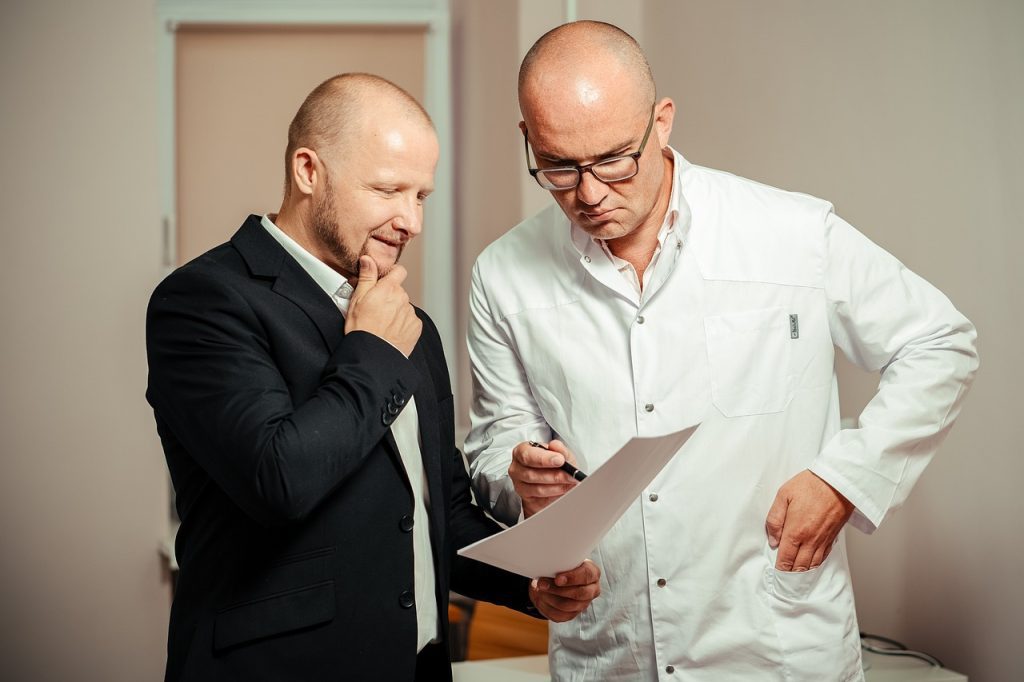
First, the translator will carefully read the whole text to highlight all the unfamiliar terms. It’ll help them understand the task at hand and assess its difficulty level.
The translator also needs some context from you to realize what kind of healthcare translation he’s supposed to do. Also, if they have an audio file to be translated, they will get it transcribed first before undertaking the translation process.
Consiga un diccionario médico
Next, the translator will use a medical dictionary to create a glossary. Trained translators always prepare a glossary for different branches of medical science.
Comenzar a traducir el documento
In the third step, the translator will start working on your document with the help of a dictionary or the medical glossary they have created. After they have understood the text from top or bottom – grasping the gist of what it entails – they confidently start rewriting it.
Revisar el primer borrador
After the translation is done, the next step is to review the file and ensure it doesn’t have any mistakes. Even veteran translators sometimes ask their colleagues to check their work because it’s a matter of life or death; accurate translation of medical records has the potential to save lives.

Añadir capas de validación
Normally, your translator will also give you a translation accuracy certificate, which is enough to validate the translated document. However, you can add an extra layer of legitimacy to the document by notarizing the medical document. A notary public will notarize translated documents without hassle.
This is the simple process credible translators use to convert any medical document into a different language. Let’s see what the future of translation is in the ever-evolving healthcare landscape.
El futuro de la traducción en la atención médica
The world of healthcare is expanding due to trends like immigration, globalization, medical tourism, and bilingual patients; you can see why there’s a rising need for translation in healthcare. Nurses and doctors need it to communicate with patients.
Patients need it to understand complex healthcare procedures. Let’s review a few more trends impacting the rise of med-translation:
- Artificial Intelligence: Even translation services are using AI and ML to make their translations more accurate. Sophisticated, AI-empowered translation tools will speed up the process and remove room for error.
- Rare Languages: There’s a rising demand for rare language translation. The trend of medical tourism will combine this one in the future. As a result, health services will rely on professionals who specialize in translating languages spoken by small communities.
- Telemedicine: This trend increased after the coronavirus pandemic. A survey shows that it’s now 38 times the size it was before 2020. Telemedicine allows patients to talk to their doctors remotely, and, in the future, they may be able to speak to healthcare professionals in a language of their choice.
The crux of the matter is very simple: hire a certified, credible translator who specializes in translating healthcare documents. Availing their services will speed up medical procedures and prevent medical errors.

Conclusión
Don’t take healthcare translation lightly, and hire credible translators to get the job done right. Contact a linguist expert who specializes in health services and can accurately términos médicos to deliver the true meaning of the document. To do that, you should do some research to find certified translators.
If you are looking for servicios de traducción jurada, consider TranslateSwift. At TranslateSwift, fantastic translators can work their magic on your important medical docs in over one hundred languages.
Only work with experienced translators with satisfied customers for correct healthcare translation.
Preguntas frecuentes sobre traducción médica
¿Es costosa la traducción médica?
It depends on how long the original document is and how long it’ll take to translate it all. However, the word-count basis can make a translation service costlier because the text in Spanish can be 20 to 30 percent longer than English text (it takes more words to convey the same message).
¿Quién certifica mi documento médico traducido?
The translator will also give you a translation accuracy certificate. It will serve as a testament that your medical document has been accurately rewritten in a different language.
¿Es lo mismo la interpretación que la traducción?
No, translation is different from interpretation, which simply means verbally converting and conveying someone’s message in a different language.